
Signs Your Teen Is Vaping — and How to Talk About It
The devices look like USB drives and the smell is sweet, not smoky. What to look for, what it means, and the conversation that does not backfire.
Quick answer
Look for devices resembling USB drives, pens or highlighters, unfamiliar sweet smells, unexplained chargers, increased thirst, mouth sores and new secretiveness about bags or bedrooms. None is proof alone. Open the conversation with curiosity rather than accusation — confrontation and punishment consistently push teen nicotine use underground rather than ending it.
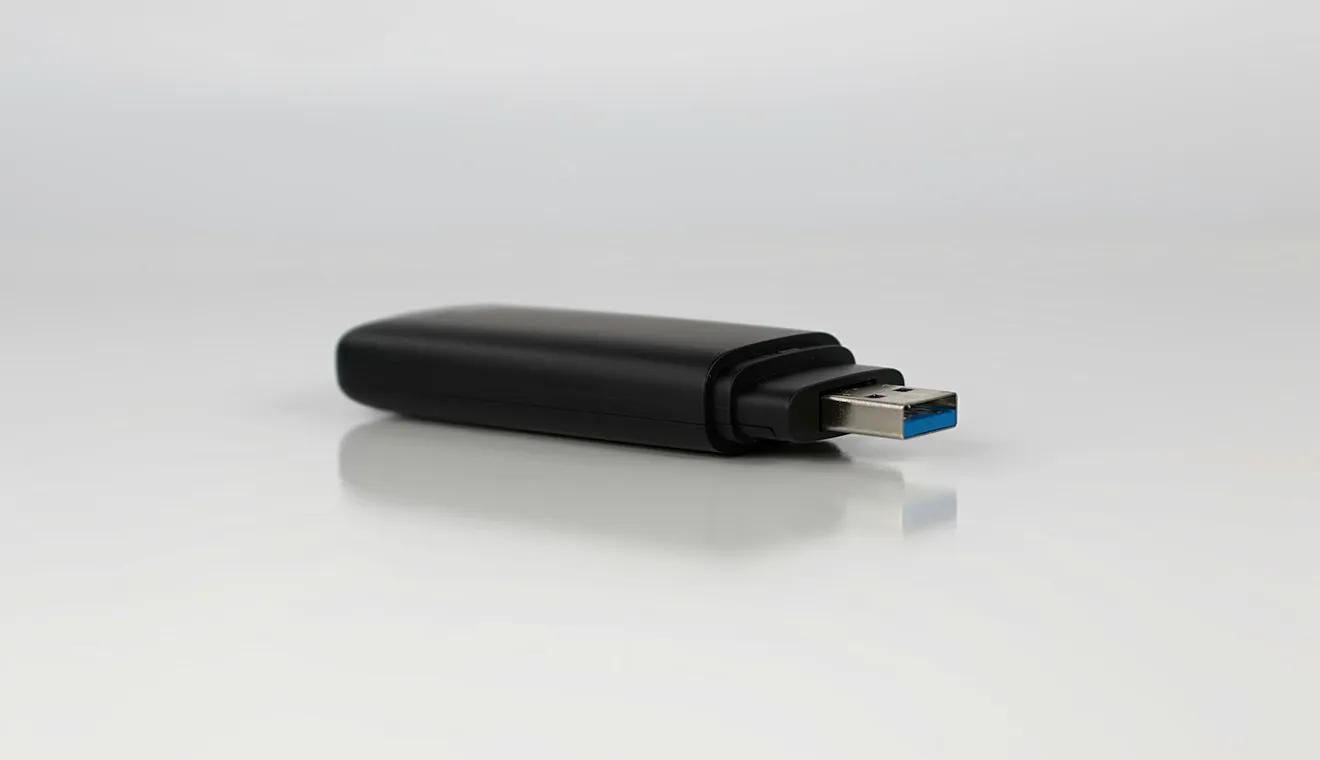
The devices do not look like cigarettes and the smell is not smoky. That is the core of why parents miss this: you are watching for the signals of a habit that no longer exists in that form. A modern vape looks like a USB stick, a highlighter or a car key, produces a scent of mango or mint that clears in under a minute, and leaves no ash, no packet and no stain.
Below is what to actually look for, followed by the more important half — the conversation, and how not to have the version that ends it.
Some scale for context: US federal survey data has found youth e-cigarette use at its lowest in a decade, with roughly 1.6 million middle and high school students reporting current use in 2024 (CDC and FDA National Youth Tobacco Survey). Lower than the peak, and still a very large number of families.
Physical signs
The device. Slim rectangles resembling USB drives, objects shaped like pens, markers or highlighters, and small pebble-like pods. Disposables are the most common form and often come in bright colours with fruit branding. A useful test: a USB-shaped object with a mouthpiece at one end, or one that will not mount when plugged into a computer.
Unexplained chargers and cables. Small USB cables that do not match any device in the house, or a charger that keeps appearing in a bedroom.
Packaging and residue. Small plastic pods, foil wrappers, tiny cardboard boxes with fruit names, or unexplained receipts.
Sweet smells that vanish. Mango, mint, cotton candy, blue raspberry. The scent dissipates within minutes, so noticing it means noticing recently — an unexplained sweet smell in a bedroom or bathroom that is gone ten minutes later is more informative than any lingering odour.
Increased thirst and drinks everywhere. Propylene glycol, the main carrier in e-liquid, binds water from the mouth and throat. Persistent dry mouth and a sudden habit of carrying water are recognised side effects.
Mouth and throat symptoms. Mouth sores, a recurring sore throat, a new cough, or nosebleeds from dried nasal passages.
Sleep changes. Nicotine is a stimulant with a two-hour half-life, so evening use delays sleep and the overnight drop-off fragments it. A teenager who cannot fall asleep and then cannot wake up is worth noticing.
Behavioural signs
- Sudden secretiveness about a bag, a pocket or a bedroom.
- Frequent short trips: bathroom breaks, stepping outside, walking the dog more than usual.
- New friendships alongside abrupt distance from old ones.
- Irritability that has a pattern — arriving after a few hours without an opportunity to step away.
- Money moving faster than usual, or things being sold.
- Unusual defensiveness when vaping comes up on the news or in conversation.
No single item here is proof. Teenagers are secretive about many things, most of them harmless. Treat these as prompts for a conversation, not as evidence for a case.
Why nicotine matters more at this age
Worth knowing before you talk, because the argument that lands is rarely the scary one.
The brain continues developing into the mid-twenties, and the systems maturing last are the ones handling attention, impulse control, learning and mood regulation. Nicotine acts directly on those circuits while they are forming, which is why public health bodies treat adolescent nicotine exposure differently from adult exposure.
Dependence also forms faster and holds harder in adolescence. Many teenagers who vape daily describe not being able to get through a school day without it within months of starting.
And most modern devices use nicotine salts, where an acid lowers the liquid’s pH to remove the harsh throat hit that used to limit intake. That harshness was an accidental dose ceiling. Without it, a small disposable can hold more nicotine than a pack of cigarettes, in a device that fits inside a pencil case.
The conversation
This part matters more than the detection, because what you find is only as useful as what happens next. The consistent finding in adolescent behaviour research is that shame and punishment drive use underground rather than ending it. You lose visibility, and visibility is your main asset.
- Choose a side-by-side moment. A car journey, a walk, washing up. Face-to-face across a table reads as an interrogation; shoulder to shoulder does not.
- Lead with a question, not a finding. “Is vaping a big thing at school?” opens a conversation. “I found this in your bag” opens a defence.
- Ask what it does for them. Stress, friends, boredom, taste — the answer tells you what you are actually competing with, and no plan works without it.
- Skip the lecture about lungs. Adolescents systematically discount long-term risk. What tends to land instead: the money, the dependence itself (“do you think you could stop for a week?”), sport and breath, sleep, and the fact that the flavours and the device design were engineered specifically to get and keep them.
- Do not issue an ultimatum you cannot enforce. Confiscation without agreement usually produces a replacement device within a week and a more careful teenager.
- Offer to help rather than to supervise. “If you wanted to stop, would you want help or would you rather do it yourself?” leaves them the agency, which is what they will defend hardest.
- Expect more than one attempt. Most people who quit nicotine for good tried several times first. Framing the first failed attempt as normal keeps the second one possible.
Free youth-specific support exists — Truth Initiative’s text-based quit programme for teens and young adults is one, and a GP or school nurse can advise. If your teenager is using heavily, mention that stopping abruptly produces real withdrawal, peaking around day two or three and mostly settling within three to four weeks. Knowing that in advance is what stops it being read as failure.
The two-minute version, for them
If your teenager is open to anything at all, the smallest possible first step is not quitting. It is counting.
Ask them to count their puffs for one day and change nothing else. Most vapers of any age underestimate their own number by a factor of two or three, and for a teenager who believes they are a light user, seeing the real figure does more than any warning from an adult.
Puff Counter is free and built around exactly that — a tap per puff, an honest weekly average, then a daily ceiling that steps down from their own number rather than a target someone imposed.
You do not need to win the argument today. You need the conversation to still be open tomorrow.
Frequently asked questions
What does a teenage vape look like?
Many are deliberately inconspicuous: slim rectangles like USB sticks, pens, highlighters or car key fobs, often in bright colours. Disposables are the most common form and look like a marker pen. If you find a USB-shaped object that does not hold data or has a mouthpiece at one end, that is a vape.
What does teen vaping smell like?
Sweet rather than smoky — mango, mint, cotton candy, blue raspberry. The smell fades within minutes, which is one reason it goes unnoticed for so long. An unexplained sweet scent in a bedroom, bathroom or car that disappears quickly is a more reliable signal than any lingering odour.
How do I talk to my teenager about vaping without them shutting down?
Pick a low-stakes moment side by side rather than face to face, such as a car journey. Ask what it does for them before saying anything about health. Avoid ultimatums and searching their room in front of them. Shame reliably drives use underground, whereas curiosity keeps the conversation open.
Why is vaping worse for teenagers than adults?
The brain continues developing into the mid-twenties, and nicotine affects the circuits handling attention, learning, mood and impulse control while they form. Dependence also establishes faster in adolescence, and youth who vape are more likely to try cigarettes later. Free youth quit programmes such as Truth Initiative's exist.


