How to Help Your Teenager Quit Vaping
Signs to look for, the conversation that actually works, why punishment backfires, and the practical support that helps a teenager get off nicotine for good.
Quick answer
Start with a calm, curious conversation rather than a punishment. Ask what vaping does for them, listen without reacting, and make clear you are on their side. Then help practically: a quit date, a plan for triggers, a way to track and reduce puffs, and a doctor's input. Nicotine harms the developing brain into the mid-twenties (CDC).
If you have just found a vape in a coat pocket, the most useful thing you can do in the next hour is nothing dramatic. The conversations that actually end in a teenager quitting start calm, start curious, and start with the assumption that your child is not a project to be fixed but a person with a problem they probably already know they have.
Then comes the practical part: a date, a plan for the triggers, a way to see the numbers, and support that doesn’t depend on you catching them.
What are the signs a teenager is vaping?
Vapes are designed to be inconspicuous, so the signs are indirect:
- A sweet, fruity or mint smell that arrives and disappears with them
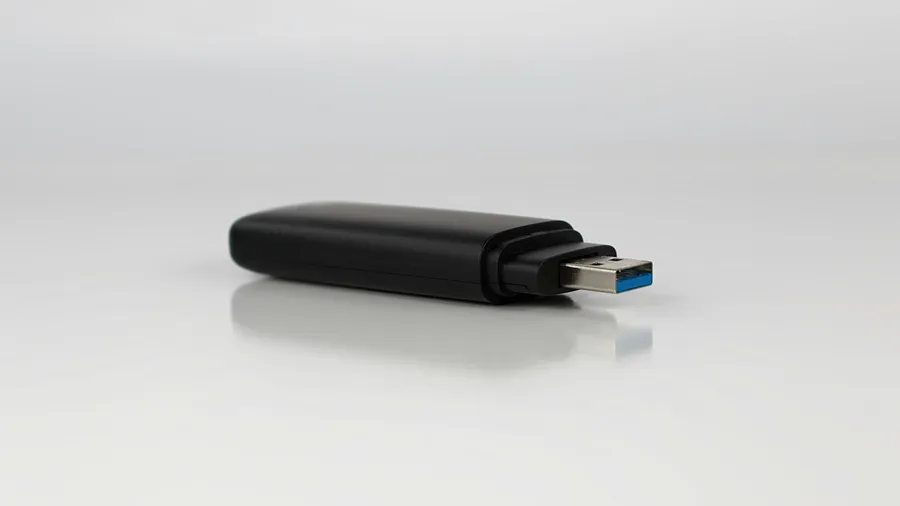
- Small devices that look like USB sticks, pens or highlighters; pods, coils, or chargers you don’t recognise
- Increased thirst, a dry mouth, or drinking a lot more water than usual
- Nosebleeds, a new persistent cough, or constant throat clearing
- Irritability, restlessness or trouble concentrating that eases after they step out
- Money going somewhere and no clear answer about where
None of these on its own proves anything. Taken together, they’re a reason to talk — not a reason to search a room, which usually costs you more than it gains.
The conversation that works
The goal of the first conversation is not to extract a promise. It is to make sure there’s a second one.
Pick a bad moment for confrontation and a good moment for talking. Side by side beats face to face — in the car, on a walk, doing dishes. No eye contact lowers the stakes for both of you.
Lead with a question you genuinely don’t know the answer to. “What does it do for you?” is a better opener than “do you know what that’s doing to your lungs?” Most teenagers already know it’s bad for them; what they know less well is why they keep reaching for it. Stress, sleep, social belonging, boredom, anxiety — the answer tells you what you’re actually replacing.
Do not react to the first honest thing they say. This is the hard part. If they tell you they’ve been vaping since Year 10 and you visibly flinch, you have just taught them the cost of honesty. Whatever you hear, respond with “okay — thanks for telling me.”
Say the thing they’re worried about out loud. Most teenagers assume they’ll be shamed, grounded and monitored. Being told “I’m not going to yell, and I’m not going to make this the only thing we talk about for the next year” removes the reason to lie.
Ask what help would look like. “Do you want to stop?” and, if yes, “what would make it easier?” Their plan, with your support behind it, survives much better than your plan handed to them.
Why shame backfires
Nicotine addiction runs on stress relief. Every time a teenager feels cornered, caught or humiliated, you’ve raised the level of the thing the vape is treating. Shame doesn’t take the vape away; it makes the vape more useful.
There’s a second cost. A teenager who thinks getting caught means losing their phone, their weekends and their parents’ good opinion will not come to you on the day they relapse — and the day they relapse is exactly the day the conversation matters most.
Consequences aren’t off the table. But make them small, predictable, agreed in advance, and clearly separate from your support. “I’ll help you quit whatever happens” and “vapes don’t come into the house” can both be true.
Why quitting is genuinely harder at sixteen
It helps to say this out loud to your teenager, because it reframes the struggle as chemistry rather than weakness.
The adolescent brain keeps developing into the mid-twenties, and nicotine acts directly on the systems involved in attention, learning, mood and impulse control. Exposure during those years can make addiction take hold faster and hold on harder than the same exposure at thirty (CDC). Many disposable vapes also deliver nicotine in a smooth, high-concentration form that makes it easy to take hundreds of puffs a day without ever noticing a single one.
So: not a discipline problem. A dependence problem, in a brain that’s unusually good at forming dependencies.
The practical plan
- Get the real number first. Ask them to count their puffs for three days without changing anything. Almost everyone underestimates by a lot, and the number itself is often the most persuasive thing in the whole process — far more than any lecture from you.
- Pick a quit date together, one to two weeks out. Not exam week. Not the week of a big match or a party they’ve been looking forward to.
- Choose a route. Some teenagers stop dead. Many do better stepping the puff count down 10–20% a week toward zero, or dropping nicotine strength one level at a time. The evidence doesn’t crown a winner; the method they believe in is the one to back.
- Map the triggers. Break times, the walk home, the group chat, gaming at night, before sleep. Each one needs a replacement decided in advance, not improvised.
- Sort out the sleep and the stress. If the vape is doing a job, something else has to do it. Sport, an instrument, a job, a friend who knows.
- Talk to a GP or school nurse. Especially if they’re heavily dependent, or if anxiety or low mood is part of the picture. A doctor can advise on whether nicotine replacement is appropriate at their age, and can rule out other causes for symptoms like a persistent cough.
- Point them at help that isn’t you. Truth Initiative’s free text programme for young people, or the NHS stop smoking service in the UK. Support they own is support they’ll use at 11pm.
When they slip
They probably will, and it isn’t the end of anything. The rule worth teaching is never miss twice: one slip is an event, two in a row is a pattern restarting. Ask what happened right before — the trigger is almost always specific and almost always fixable — and then get straight back on the plan.
Your reaction to the first slip decides whether you hear about the second.
Some families find it easier when the tracking is the teenager’s, not the parent’s. Puff Counter keeps the counting and the weekly step-down on their phone, so the numbers are theirs to look at and you can ask “how’s the week going” instead of playing inspector.
Stay calm, stay in the conversation, and let the plan do the arguing.
Frequently asked questions
What are the signs my teenager is vaping?
Common signs include a sweet or fruity smell with no obvious source, unfamiliar USB-like devices or small pods and chargers, increased thirst, nosebleeds, a new cough or throat clearing, irritability that eases after they leave the room, and unexplained spending. None of these alone proves anything, which is why a conversation beats a search.
Should I punish my teenager for vaping?
Punishment alone rarely ends nicotine use; it usually just moves it out of sight and ends the conversation you need to keep having. Consequences can have a place, but they work best paired with support: a clear reason, a quit plan, and a parent who stays approachable rather than becoming another thing to hide from.
Is vaping actually addictive for teenagers?
Yes, and it tends to take hold faster than in adults. Many vapes deliver high nicotine concentrations in a form that is easy to inhale repeatedly, and the adolescent brain is still developing into the mid-twenties, which makes it more sensitive to nicotine's effects on attention, learning and mood (CDC).
Where can a teenager get free help to quit vaping?
In the US, Truth Initiative runs a free text-message quit programme designed specifically for young people. In the UK, the NHS stop smoking service supports young people too. A GP or school nurse is also a good starting point, and they can advise on whether nicotine replacement is appropriate at your child's age.