Heated Tobacco and Young People: What Parents Should Know
Sleek devices, no smoke and little smell make heated tobacco easy to miss. What draws young people to it, and how to open the conversation without shame.
Quick answer
Heated tobacco devices look like consumer electronics, produce no smoke and leave little smell, which makes them far easier for a teenager to hide than cigarettes. They are tobacco products containing nicotine, and nicotine affects the brain while it is still developing into the mid-twenties (CDC). Curiosity works better than confrontation.
Heated tobacco is easy for a parent to miss, and that is not an accident of design so much as an effect of it. There is no smoke, very little smell, no ash and no lighter. The device looks like something that charges next to a phone, because it does.
If you have found one, or suspect one, the useful information is fairly compact: what it is, why it appeals, what the concern actually is, and what kind of conversation tends to work.
What it actually is
A heated tobacco product warms a tobacco stick to a few hundred degrees instead of burning it at around 900°C. Nothing catches fire, so there is no smoke — but there is tobacco, there is nicotine, and there is an aerosol.
The WHO classifies heated tobacco products as tobacco products, subject to the same policy framework as cigarettes, and states that all forms of tobacco are harmful. Nicotine delivery has been measured in a broadly comparable range to a cigarette. Whatever else it is, it is not a nicotine-free gadget and it is not legal for minors to purchase anywhere with a tobacco age limit.
Why the device itself is part of the appeal
Cigarettes carry a set of signals teenagers largely do not want: ash, smell, yellowing, and an association with older people. Heated tobacco carries almost none of them.
- It reads as technology. A charging case, a holder, an LED, colour variants, accessories. The ritual is closer to unboxing than to smoking.
- It is nearly invisible. No cloud, no ashtray, no smell in the hallway. A session can happen in a bedroom with the door shut and leave almost no trace within the hour.
- It comes with a reduced-harm halo. The manufacturer’s own framing emphasises the absence of smoke and reduced levels of certain chemicals. Young people encounter that framing secondhand, compressed into “it’s not smoking”, which is not what any health body says.
- It travels through social circles. Devices are shared, and sharing lowers the barrier to a first try to almost nothing.
On what the data shows: in the countries where heated tobacco launched first, including Japan, South Korea and Italy, national and school surveys have found that awareness among adolescents is high and use is not negligible, though generally lower than vaping. The direction is what matters more than any single figure, and the WHO has repeatedly flagged marketing that appeals to young people as a concern. Be sceptical of anyone quoting confident numbers, in either direction; this is a young product category and the surveys vary considerably by country.
Why nicotine matters more at this age
This is the part worth holding onto, because it is the specific reason a heated tobacco device in a fifteen-year-old’s bag is a different matter from one in a forty-year-old’s pocket.
The brain continues developing into the mid-twenties, and nicotine affects that process. Public health guidance is consistent that nicotine use in adolescence can harm the developing brain, particularly the systems involved in attention, learning and impulse control (CDC). Dependence also tends to form faster and hold more firmly when exposure starts young, which is why so many lifelong smokers can name the year they started and it is almost never their thirties.
That is the argument. It does not require any claim about heated tobacco being worse than cigarettes, and it does not depend on long-term outcome data that does not yet exist for these products.
How parents usually find out
Rarely by smelling it. More often:
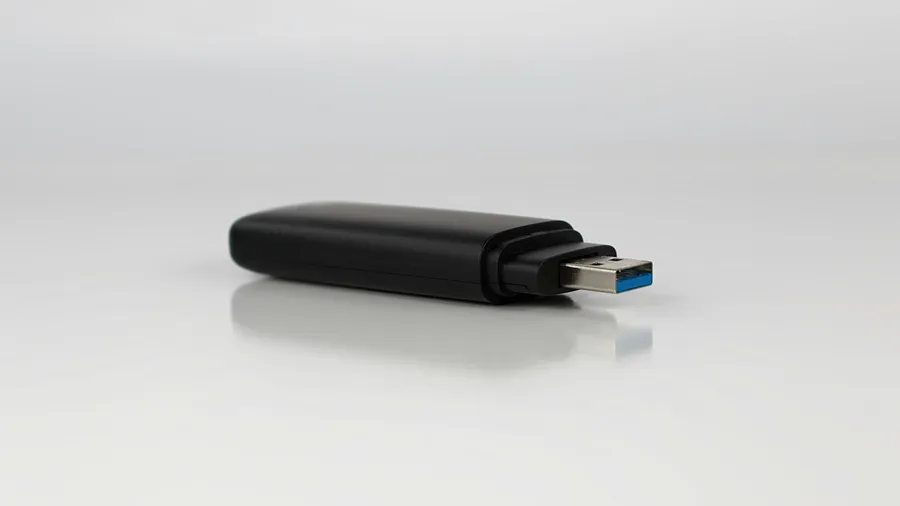
- A device found while charging, or in a bag. It may look like a small speaker, a power bank, a chunky pen or a lipstick case, sometimes with a separate holder that sits inside it.
- A charger you did not buy. USB-C cables multiplying is normal; an unfamiliar dock is less so.
- Slim packs that look like cigarette packs but hold shorter sticks.
- A faint warm, slightly sweet smell on breath, a collar or a hoodie hood, gone within an hour rather than clinging like cigarette smoke.
- Money and time patterns. Regular small cash spending, more frequent short trips out, a new habit of going outside alone.
- Sometimes, honestly, a sibling.
What does not work
Worth naming, because these are the instinctive responses and they have a poor record.
Shame. It does not reduce use, it reduces disclosure. A teenager who feels caught and humiliated does not stop; they get better at hiding, and you lose the ability to help with the part that actually matters.
A single confrontation. One intense conversation feels decisive to the parent and reads as a storm to be waited out. Behaviour change follows repeated, low-temperature contact.
Health lectures aimed at fifty. Lung disease in three decades is not motivating at sixteen. Money, sport, breath, skin, sleep, and being manipulated by an industry all land harder.
Ultimatums you cannot enforce. “Never again or else” hands them a rule to break in private.
What tends to work
- Ask before you conclude. How long, how often, where they get it, and honestly — what does it do for you? That last question is not permissive. It is the one that tells you whether you are dealing with social use, stress management or established dependence, and those need different responses.
- Separate the person from the product. “I’m not angry with you, I’m not a fan of this thing” keeps the conversation open. They did not invent a product category.
- Aim the criticism at the industry, not at them. Teenagers respond strongly to being manipulated. The design language, the colour variants, the accessory ecosystem — that is a business decision aimed at people their age, and pointing it out is both true and effective.
- Ask for counting, not quitting, first. “Would you keep an honest count for a week?” is a request almost anyone will agree to, because it demands nothing. It also does the work: most young people discover their number is higher than they believed, and the discovery comes from them rather than from you.
- Offer a route, not a verdict. A GP, a school nurse or a national quitline can help. So can naming that quitting usually takes more than one attempt, so a failed first try is not evidence of anything except being normal.
- Look at your own use if it applies. Nothing you say will outperform what you do, and quitting alongside them is a genuinely powerful offer.
If counting is where you land, keep it theirs rather than yours. Puff Counter, free to start and rated 5.0 on the App Store, is a private one-tap counter with a weekly taper built from real numbers — useful precisely because it belongs to the person using it, not to a parent checking up.
Today’s two minutes
If you have not had the conversation yet, do not plan a big one.
Ask one question, in the car or while doing something else, without a face on: “How long have you been using it?” Then listen to the answer without responding to it. That two minutes buys you information and keeps the door open, and both matter more than anything you could say today.
Frequently asked questions
How can I tell if my teenager is using heated tobacco?
Look for a device resembling a small speaker, power bank or lipstick case, often with a separate holder, plus a USB-C charger you did not buy. Packs look like slim cigarette packs. The giveaway smell is faint, warm and slightly sweet on breath or a jacket collar, fading within an hour.
Is heated tobacco safer for teenagers than cigarettes?
It is not a safe option for anyone under 18. Heated tobacco is a tobacco product delivering nicotine at levels broadly comparable to cigarettes, and the WHO states all tobacco products are harmful. For a developing brain, the specific concern is dependence forming faster and more firmly than it does in adults.
Why does heated tobacco appeal to young people?
It reads as technology rather than tobacco: a charged device, colour options, accessories, a cleaner ritual and none of the ash-and-smoke signals teenagers associate with older smokers. Add low visibility to adults and the practical result is that it is easy to start and easy to hide.
What should I say if I find a heated tobacco device?
Ask before you conclude. A calm question about how long, how often and what it does for them gets you information; an accusation gets you a locked door and better hiding. Shame reliably drives use underground. Agreeing to count honestly for a week is a more productive first ask than demanding they stop.