Disposable Vape Environmental Impact: The Real Cost
A lithium battery, plastic shell and nicotine residue, binned every two days. What is inside a disposable, where it ends up, and the one lever that works.
Quick answer
Every disposable contains a lithium-ion battery, a plastic body and nicotine residue, which makes it both electronic and hazardous waste, so it should not go in a household bin. UK research body Material Focus estimated around five million were thrown away each week in Britain in 2023. Fewer puffs means fewer devices.
A disposable vape is a lithium-ion battery with a three-day working life. That is the whole environmental story in one sentence, and the rest is arithmetic.
If you finish one every two days, you personally throw away around 180 rechargeable batteries a year. For comparison, a phone battery lasts two to three years. The device was engineered to be discarded at a point where the cell inside it still holds most of its useful life.
What is actually inside one
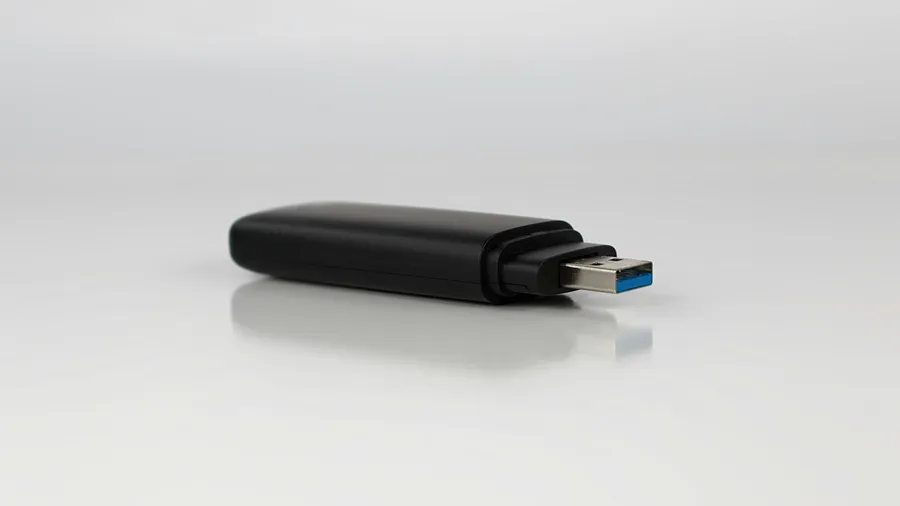
Pull apart a typical disposable and you find:
- A lithium-ion cell, usually still capable of hundreds more charge cycles
- A small circuit board with copper and other recoverable metals
- A copper or nichrome coil and a cotton wick
- A plastic housing, sometimes with a silicone seal and a rubber plug
- Residual e-liquid, which contains nicotine — classified as a hazardous substance
That combination is why it cannot go in a normal bin. It is electronic waste and hazardous waste in the same object, and neither category belongs in general household refuse in most countries.
There is an immediate practical hazard too, separate from the long-term one. Lithium cells that get compressed in a bin lorry or a sorting line can ignite, and battery-related fires have become a well-documented and growing problem for waste operators. The device does not have to be faulty; it only has to be crushed.
The scale
Individual devices are trivial. The volume is not.
UK recycling research body Material Focus estimated in 2023 that around five million disposable vapes were being thrown away every week in Britain, with subsequent research putting the number considerably higher again. The same organisation has estimated that the lithium discarded this way each year would be enough for the batteries of thousands of electric cars.
That is one country. The pattern is repeated wherever the products sell well, and it is the reason several governments have moved to restrict or ban single-use devices outright — though rules differ by country and are changing quickly, so it is worth checking what applies where you live rather than assuming.
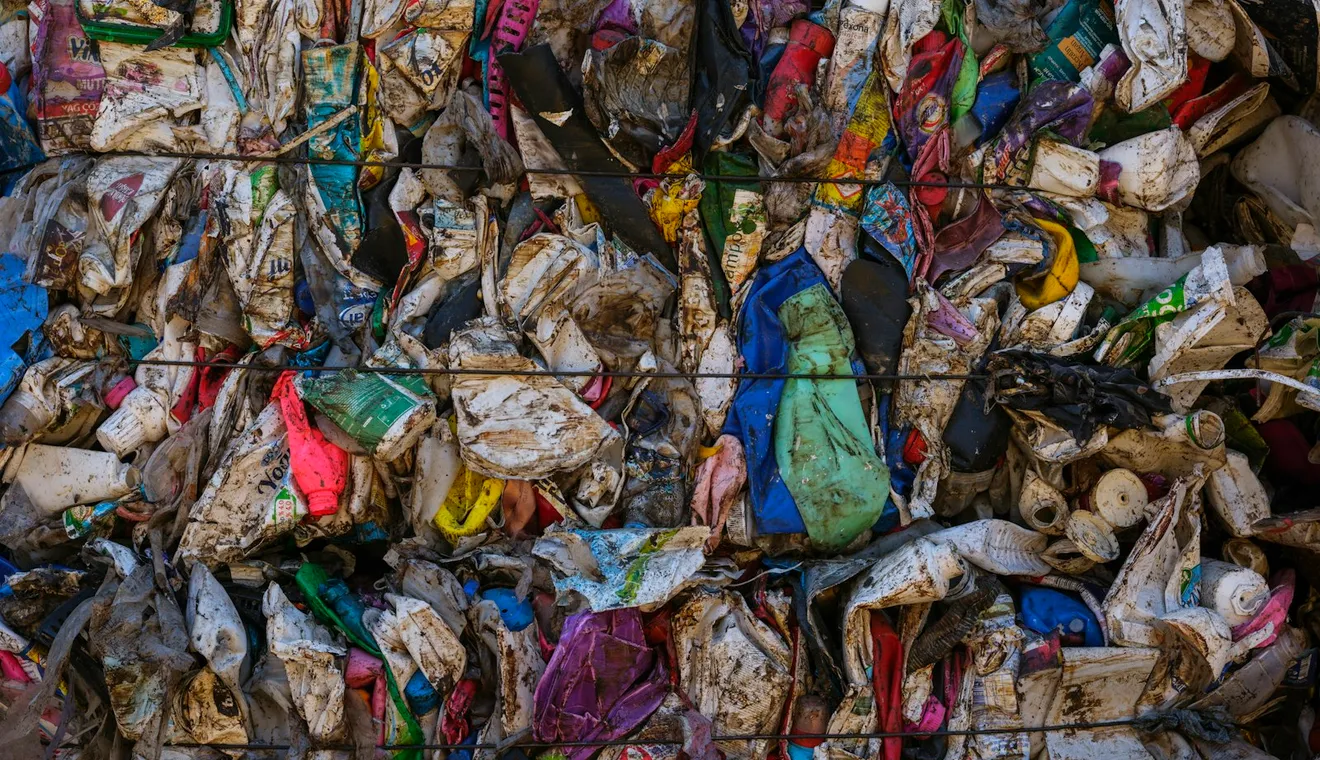
Then there is litter, which is the visible half. Brightly coloured plastic in gutters, on beaches and in parks, each piece containing residual nicotine that leaches into soil and water. Nicotine is toxic to aquatic life; the plastic simply persists.
The guilt trap
Here is where most articles on this subject go wrong, so let us skip it.
Feeling bad about your bin is not useful, and it is not proportionate: the volume problem is a product-design and regulatory problem, not a personal moral failing. Nobody chose a device with no user-replaceable battery. That was decided for you.
What is useful is noticing which lever you actually control, and it is not the recycling one. Recycling a device is good, and it recovers materials. It does not stop the next device being manufactured, shipped and sold. The only input that changes the number of devices in your year is the number of days each one lasts, which is downstream of a single figure: how many puffs you take.
That is the whole reframe. Environmental impact, money and health all sit on the same lever, pointing the same direction, and none of them require you to feel guilty to move it.
The arithmetic, both ways
Anchor it in a year, since a day feels like nothing.
A device every two days is roughly 180 devices, 180 batteries and 180 plastic shells annually. Every day you can add to a device’s life removes devices from the year: stretch each one from two days to three and you are at 120. Stretch to four and you are at 90 — half the waste, half the spend, same year.
The money runs in exactly the same ratio. Whatever a device costs locally, multiply by your annual count. That figure is nearly always higher than people guess, because it leaves in amounts too small to feel like purchases.
And moving from disposables to one rechargeable device with replaceable coils removes the great majority of the battery and plastic waste immediately, usually at a lower yearly cost. It does nothing about the nicotine — that is a separate problem, and worth solving separately, but it is an honest intermediate step for someone who is not ready to quit this month.
What to do with the ones you already have
- Never in the household bin, and never in the street.
- Take them back to a retailer. Shops that sell them are generally required to accept them for recycling, so vape shops, supermarkets and larger convenience stores are the usual drop-off points.
- Or use a household waste recycling centre with a battery or small-electricals collection.
- Hand them in intact. Do not prise them open to extract the cell. Damaged lithium cells are exactly the thing that catches fire.
- Keep a collection box at home so the barrier to doing this is one trip rather than one trip per device.
The two-minute version
Do not commit to quitting today, and do not commit to feeling bad about it either.
Count every puff between now and bedtime, and write down how many days your current device has lasted. Those two numbers are the entire environmental calculation for your year, and they are the same two numbers that decide the money and the dependence.
Puff Counter handles the first one: a single tap per puff, an honest weekly average, and then a daily ceiling that steps down from your own number rather than an arbitrary target.
Most people who quit nicotine for good needed more than one attempt, and what separated the one that worked was better information rather than more willpower. Fewer puffs, fewer devices, fewer batteries. It is the same lever the whole way down.
Frequently asked questions
Can you throw disposable vapes in the household bin?
No. A disposable contains a lithium-ion cell, a circuit board and nicotine-contaminated liquid, which makes it electrical and hazardous waste in most jurisdictions. Binned batteries are a documented cause of fires in bin lorries and sorting facilities, because they get crushed. Retailers that sell them are usually required to take them back.
How bad are disposable vapes for the environment?
The scale is the problem rather than any single device. UK research body Material Focus estimated around five million disposables were binned weekly in Britain in 2023, with later research putting the figure considerably higher. Each one discards usable lithium and copper, plus a plastic body that will outlast the three days of use it received.
Where can I recycle disposable vapes?
Most places that sell them are obliged to accept them back, so vape shops, supermarkets and larger convenience retailers are the usual drop-off points, alongside household waste recycling centres with a battery or small-electricals bay. Hand them over intact — do not prise them open to remove the cell yourself.
Are refillable vapes better for the environment than disposables?
Substantially, if you actually refill them. One rechargeable device with replaceable coils removes hundreds of batteries and plastic shells a year compared with a two-day disposable habit, and it usually costs less annually. It does nothing about the nicotine, which is a separate problem worth solving separately.